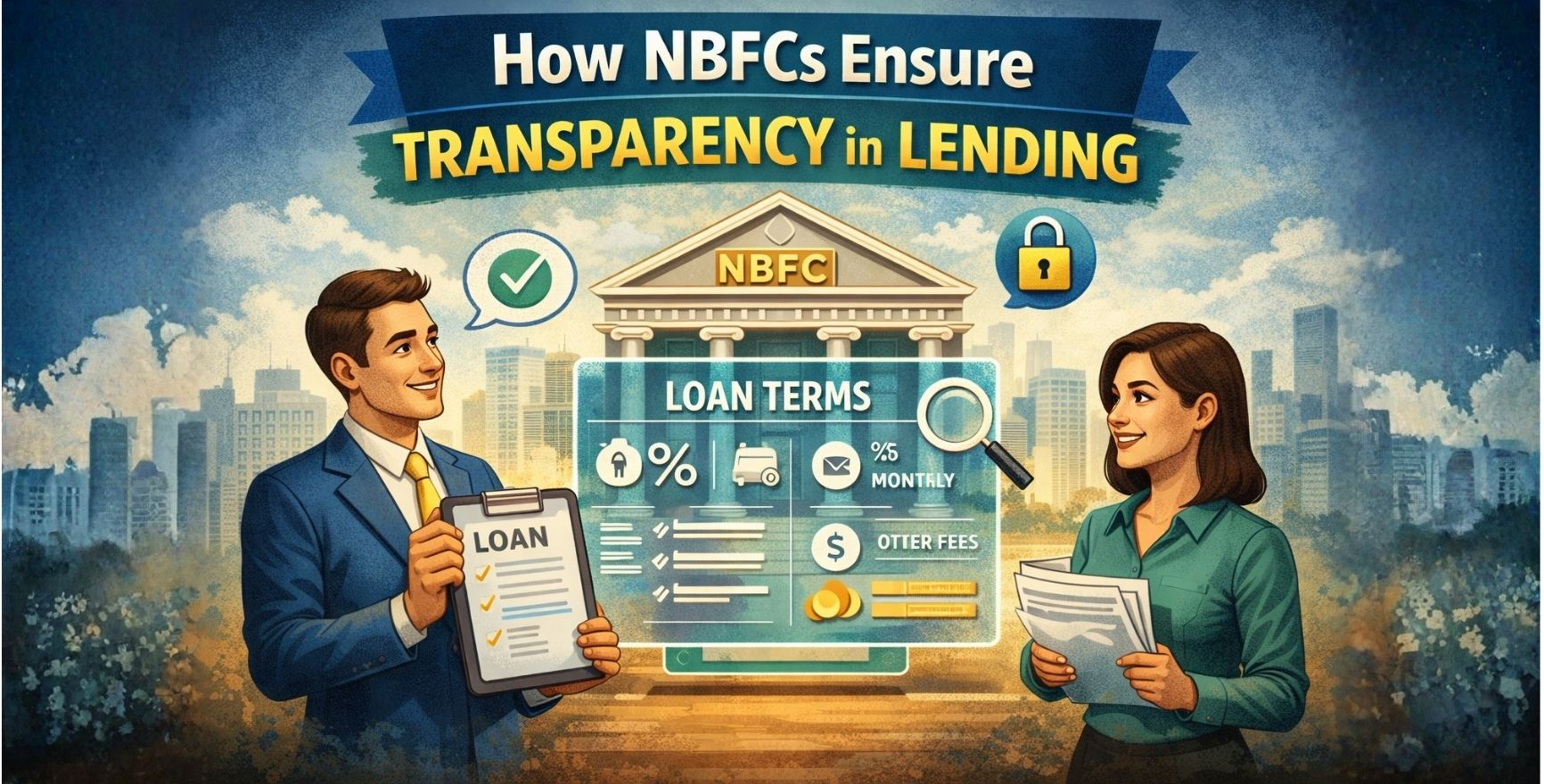
Applying for a loan is often an important financial step, whether for personal needs or business requirements. However, not all loan applications are approved. Understanding the common reasons for rejection can help borrowers improve their eligibility and make better financial decisions.
Below are some of the most common factors that may lead to loan application rejection.
1. Low or Poor Credit Score
A credit score reflects an individual’s repayment history and credit behaviour. A low score may indicate delayed payments, defaults, or high credit utilisation, which increases lending risk. Maintaining timely repayments and responsible credit usage can help improve creditworthiness over time.
2. Insufficient or Unstable Income
Lenders assess income stability to ensure the borrower can comfortably repay the loan. Irregular income, frequent job changes, or inadequate cash flow may affect repayment capacity and result in rejection.
3. High Existing Financial Obligations
If a significant portion of your income is already committed towards EMIs or other liabilities, it may reduce your ability to take on additional debt. A high debt-to-income ratio is a common reason for loan rejection.
4. Incomplete or Incorrect Documentation
Submitting incomplete, inaccurate, or inconsistent documents can delay or lead to rejection of a loan application. Proper identity proof, address proof, income documents, and bank statements are essential for assessment.
5. Short Credit History or No Credit History
Applicants with limited or no credit history may find it difficult to get loan approval, as lenders have insufficient data to assess repayment behaviour. Building a basic credit profile through responsible usage of credit products can be helpful.
6. Employment or Business Profile Concerns
For salaried individuals, frequent job changes or employment with unlisted organisations may impact eligibility. For self-employed or business applicants, inconsistent turnover or limited business vintage can affect loan assessment.
7. Mismatch Between Loan Amount and Repayment Capacity
Applying for a loan amount that does not align with income levels or financial capacity may result in rejection. Borrowers are advised to assess realistic borrowing limits before applying.
Conclusion
Loan rejections are often the result of multiple factors related to credit behaviour, income stability, and documentation. Understanding these reasons can help borrowers strengthen their financial profile and improve future loan eligibility.
At Finasia Capital, we encourage responsible borrowing and transparent communication to help customers make informed financial decisions.
For more information or guidance, feel free to connect with Finasia Capital.
Recent News