Taking a loan can be a practical financial decision—whether it’s to manage personal needs, support business growth, or handle unexpected expenses. However, borrowing responsibly is essential to avoid financial stress in the long run. The key question every borrower should ask is: How much loan should I really take?
At Finasia Capital, we believe that informed borrowing leads to better financial health. This guide will help you understand how to assess the right loan amount for your needs.
1. Understand Your Actual Requirement
Before applying for a loan, clearly identify why you need it. Avoid borrowing more than required simply because you are eligible for a higher amount. Borrowing excess funds may lead to unnecessary interest burden and repayment pressure.
Ask yourself:
1) Is this expense essential or can it be postponed?
2) What is the exact amount required after using available savings?
2. Assess Your Repayment Capacity
Your loan amount should always align with your monthly income and existing financial commitments. A commonly followed principle is that total EMIs should not exceed 30–40% of your monthly income.
Consider:
1) Existing EMIs or liabilities
2) Household and operational expenses
3) Emergency savings requirements
Choosing an EMI that fits comfortably into your budget ensures smooth repayment without compromising daily needs.
3. Keep Your Credit Profile in Mind
Your credit score plays an important role in loan approval, interest rates, and future borrowing ability. Taking a loan beyond your capacity may result in delayed or missed payments, negatively impacting your credit profile.
Responsible borrowing and timely repayments help maintain a healthy credit score and improve future financial opportunities.
4. Factor in Loan Tenure and Interest Cost
While longer tenures may reduce EMI amounts, they also increase the overall interest payable. Borrowers should strike a balance between affordable EMIs and reasonable tenure to avoid paying more interest than necessary.
Always evaluate:
1) Total repayment amount
2) Interest rate structure
3) Processing fees and other applicable charges
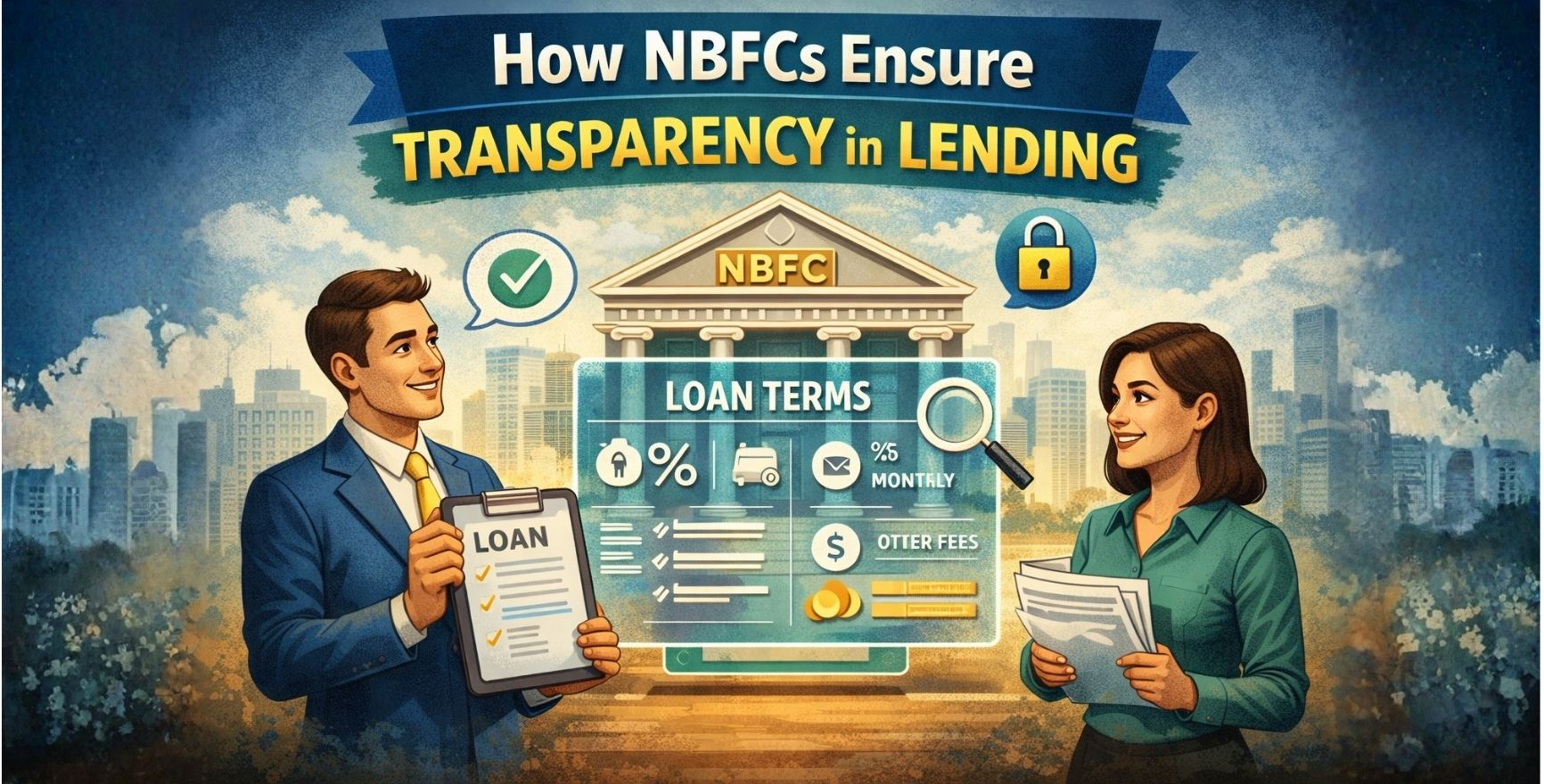
Transparency in understanding costs is a crucial part of responsible borrowing.
5. Prepare for Unexpected Situations
Financial stability is not just about meeting EMIs today but also being prepared for uncertainties such as medical emergencies or income disruptions. Ensure you have sufficient financial cushion even after taking the loan.
Borrowing should support your goals—not create long-term financial stress.
Conclusion :
A loan is a financial tool, not a financial burden—when used wisely. Borrow only what you truly need, ensure the EMI fits your budget, and always plan repayments in advance. Responsible borrowing helps you achieve your goals while maintaining financial discipline.
At Finasia Capital, we are committed to promoting responsible and transparent lending practices. Our team encourages borrowers to make informed decisions that support long-term financial well-being.
For more information or assistance, feel free to connect with Finasia Capital.
Recent News