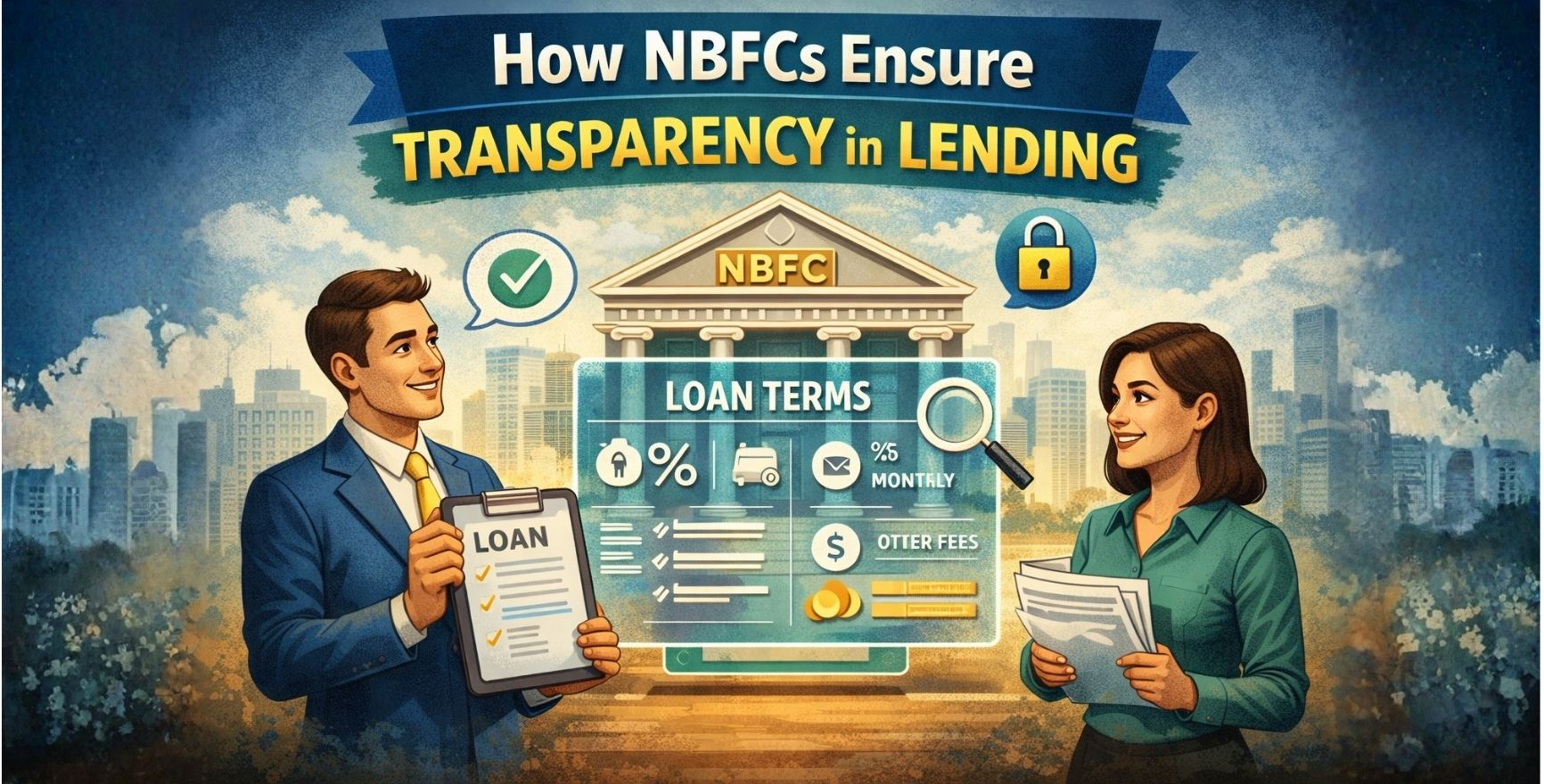
Transparency is a cornerstone of responsible lending. For borrowers, understanding loan terms, charges, and repayment obligations is essential to making informed financial decisions. Non-Banking Financial Companies (NBFCs), regulated by the Reserve Bank of India (RBI), follow structured guidelines to ensure fairness and transparency throughout the lending process.
At Finasia Capital, transparency is not just a regulatory requirement—it is a commitment to our customers.
1. Clear Disclosure of Loan Terms
NBFCs are required to clearly communicate all key loan details before disbursement.
This includes :
1) Interest rates
2) Loan tenure
3) EMI amount and repayment schedule
4) Processing fees and applicable charges
Transparent disclosure helps borrowers fully understand their financial obligations and avoid surprises later.
2. Standardised Loan Agreements
Loan agreements issued by NBFCs are structured and standardised, outlining all terms and conditions in a clear manner.
These agreements specify :
1) Rights and responsibilities of both borrower and lender
2) Prepayment and foreclosure conditions
3) Penalties, if any, for delayed payments
Borrowers are encouraged to review the agreement carefully before acceptance.
3. Transparent Interest Rate Practices
NBFCs follow fair interest rate policies as prescribed by the RBI. Any changes in interest rates or repayment terms are communicated to borrowers in a timely and transparent manner, ensuring clarity throughout the loan tenure.
This approach helps build trust and enables borrowers to plan their finances efficiently.
4. No Hidden Charges Policy
One of the key principles of transparent lending is the absence of hidden costs. NBFCs disclose all applicable fees upfront.
such as :
1) Processing fees
2) Late payment charges
3) Pre-closure or foreclosure charges
Clear communication ensures borrowers are aware of the total cost of borrowing.
5. Digital Records and Communication
With the adoption of digital lending processes, NBFCs maintain proper electronic records of loan applications, approvals, and repayments.
Borrowers receive :
1) Digital sanction letters
2) EMI schedules
3) Payment confirmations
This ensures traceability, accountability, and easy access to loan information.
6. Grievance Redressal Mechanism
NBFCs are mandated to have a structured grievance redressal system. Borrowers can raise concerns related to loan servicing, charges, or communication and expect timely resolution as per defined timelines.
This mechanism reinforces accountability and customer confidence.
Conclusion :Transparency in lending empowers borrowers to make informed decisions and maintain financial discipline. By clearly disclosing loan terms, maintaining fair practices, and following RBI guidelines, NBFCs play a crucial role in building trust within the financial ecosystem.
At Finasia Capital, we are committed to ethical, transparent, and responsible lending practices—ensuring that our customers are informed at every step of their financial journey.
For more information, feel free to connect with Finasia Capital.
Recent News